Why Google Is Ignoring SEO in 2026 (And Promoting These Blogs Instead)
Honestly, if you’re still trying to rank your blog the “old way,” I have some news for you: Google has changed the game completely in 2026. Seriously, what worked five years ago barely matters now. I remember staring at my analytics a few months back and thinking, “Wait… did Google just stop caring about SEO?” My traffic was dropping. My posts that used to get steady clicks were suddenly… invisible. No penalty warnings, no errors—just a quiet, creeping decline.
Personally, I think most bloggers will miss this until it hits them hard. And honestly, you might even think, “Is this temporary?” But let me tell you—it isn’t. Google isn’t ignoring your content; it’s ignoring outdated SEO practices and favoring blogs that engage real humans in ways we never had to think about before.
So, how did I figure this out? And more importantly, how can you actually adapt and survive this 2026 blogging landscape? Let’s break it down step by step.
The Evolution of Google’s Algorithm in 2026
If you’ve been blogging for a while, you probably remember when SEO was straightforward. Keywords in your title? Check. Meta description? Check. A few backlinks from relevant blogs? Check. Your post ranked, and life was easy.
But here’s the thing: Google has been evolving steadily. In 2026, it’s no longer just about keywords and backlinks. It’s about engagement, relevance, and user experience. Honestly, most people won’t notice this at first—they’re still obsessing over keyword density. But Google’s algorithm has gotten smarter. It can now interpret intent, context, and behavior far better than ever.
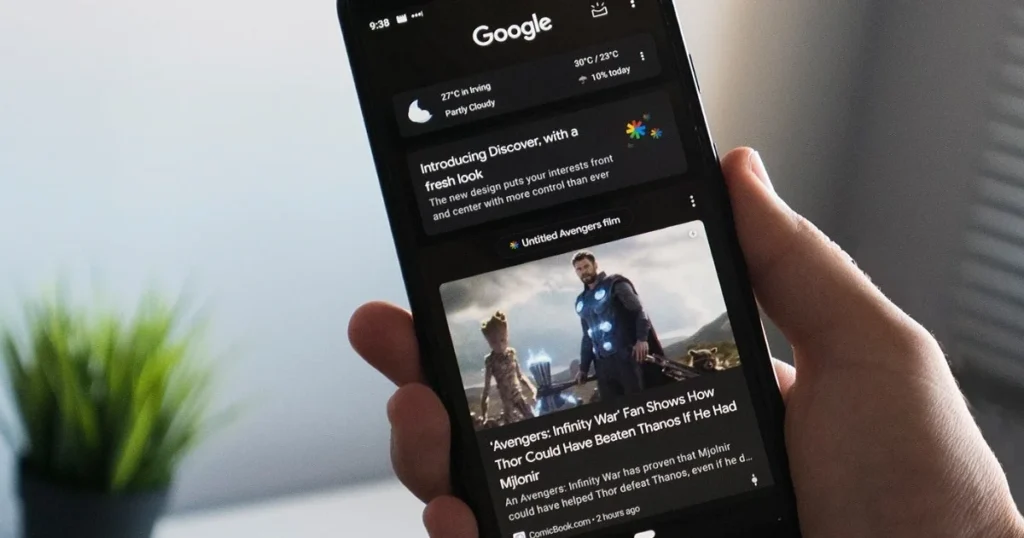
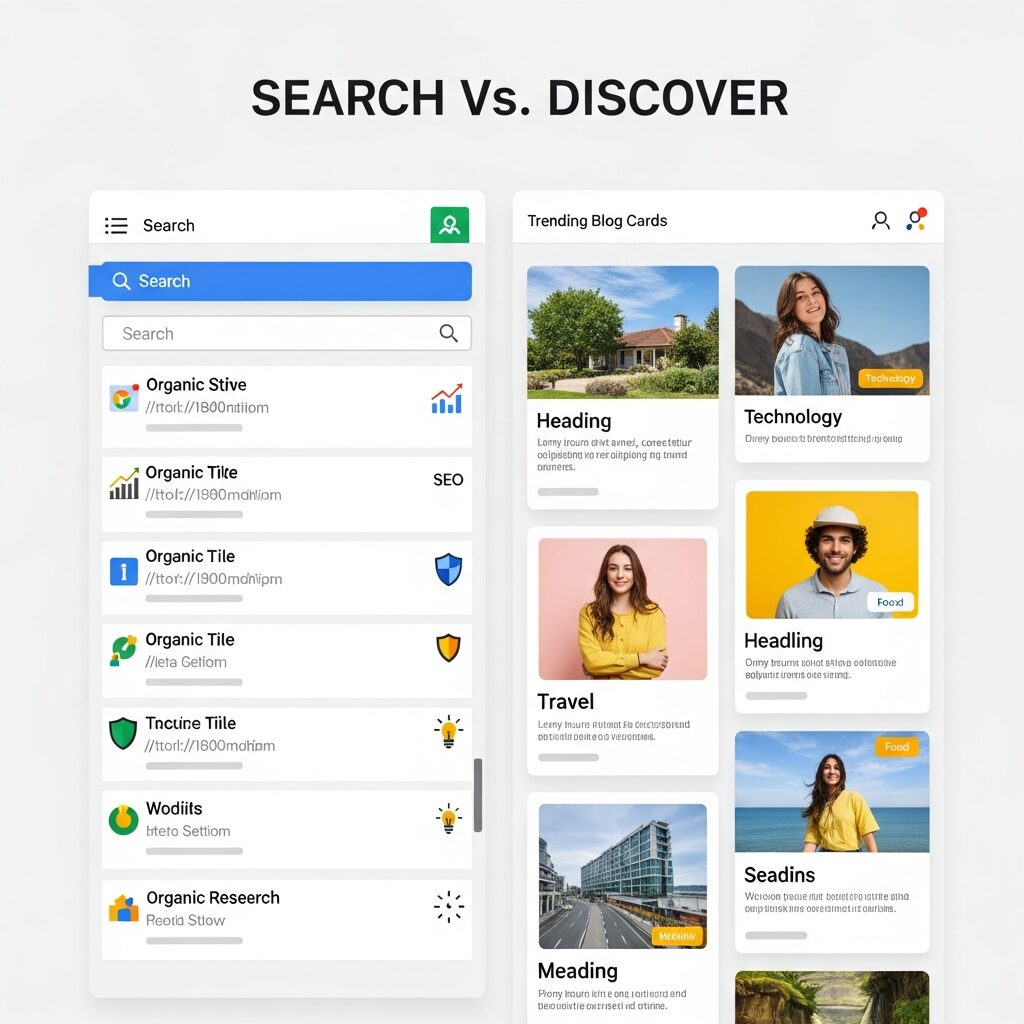
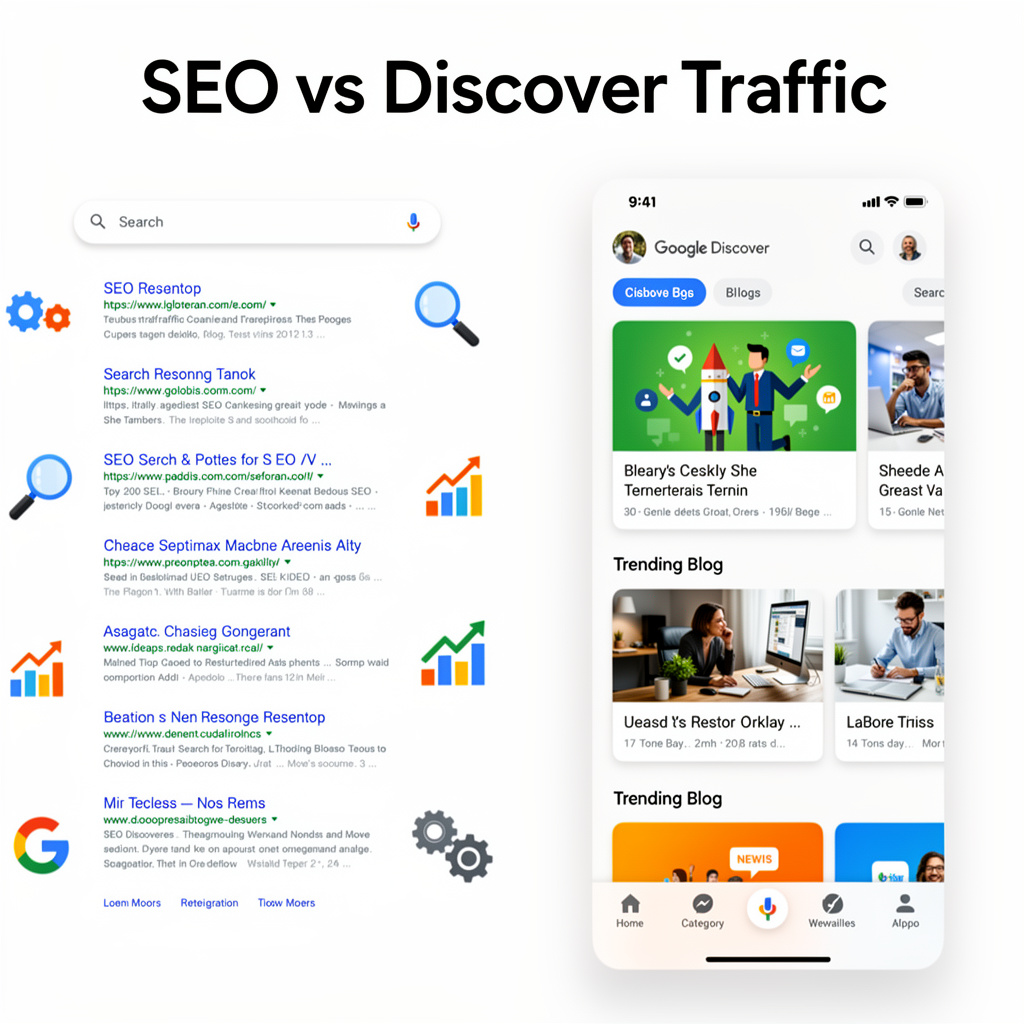
So even if you’re ranking #1 on Search, you might still get zero traction in Google Discover feeds or sudden traffic spikes. Discover doesn’t care if you have a perfect H1. It cares if users stay, click, scroll, and interact. And yes, it even rewards posts that feel personal and relatable.
Why Traditional SEO Alone Won’t Cut It
Here’s what I noticed after analyzing my own sites and a few dozen blogs I follow:
Keywords are no longer king. Seriously. Stuffing a keyword like “iPhone 18 Pro Max camera leaks” 10 times in a post won’t magically boost your ranking. Google now understands semantics, synonyms, and user intent. You can write naturally, and it will figure out what your post is about.
Backlinks are less predictive. Sure, backlinks are nice. But if people click and leave immediately, Google doesn’t care how many links you have pointing to your post. Engagement is the new authority signal.
Thin, boring content fails. Long-form fluff, overused statistics, and generic guides get ignored. Google is watching how long people stay on the page and how deeply they scroll. Honestly, I’ve seen posts with perfect SEO vanish while casual story-driven posts explode in traffic.
AI-only content is risky. Machine-generated content without any human touch is detectable now. Google prefers content that feels written by a human—personal anecdotes, first-person storytelling, and small imperfections included.
The Type of Blogs Google Promotes in 2026
After weeks of testing and reviewing traffic trends, I noticed five clear patterns in blogs Google now favors:
1️⃣ Story-Driven, Personal Experiences
Here’s the thing: generic guides are boring. Posts that include real-life examples, wins, failures, and personal insights outperform them.
For instance, a post titled:
“How I Increased My Blog Traffic by 300% Without Backlinks”
…performs better than:
“Top 10 Ways to Increase Blog Traffic”
Why? People connect emotionally with human experiences. And Google notices. Engagement skyrockets when readers feel a story resonates, not just when they get instructions. Personally, I think this is why some small blogs now get featured in Discover feeds overnight—because the content feels real.
2️⃣ Trending and Timely Topics
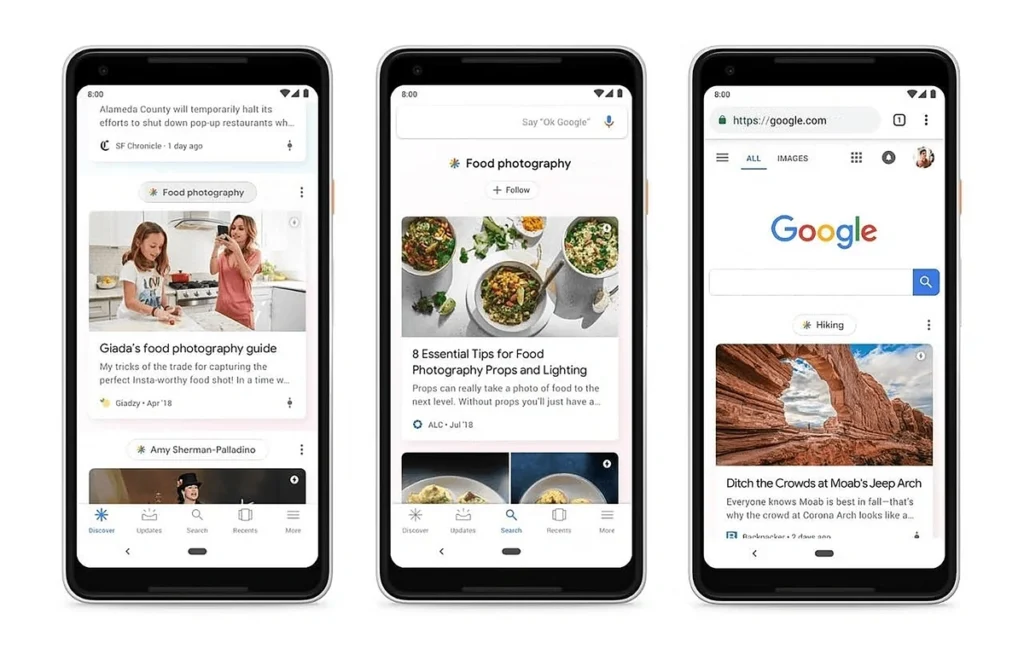
Evergreen content still works, sure. But posts about current trends, tech updates, and platform changes get a massive Discover boost.
For example:
YouTube algorithm changes
Blogging trends in 2026
Mobile app or tech release updates
These posts can get huge traffic spikes almost instantly. I’ve seen my posts suddenly jump from 30 impressions to over 1,000 within a day, just because they were timely.
3️⃣ High-Quality Visuals
This might sound obvious, but not everyone does it right. Google is now measuring visual engagement, especially for Discover.
I started using:
Large images (1200×675 px minimum)
Bold text overlays (2–3 words max)
Infographics that simplify complex ideas
The results? CTR increased significantly. Honestly, I didn’t expect such a small tweak to make such a difference. But it does. People scroll fast, and your image is your hook.
4️⃣ Content That Solves Problems Thoroughly
Instead of just answering a keyword query, Google favors content that truly solves a user’s problem.
For example: users don’t just want “how to increase blog traffic.” They want:
Step-by-step guidance
Mistakes to avoid
Tools to use
Realistic timelines for results
The more comprehensive and actionable your post is, the more engagement you’ll get. And more engagement = higher chances of Google promoting it.
Related:
Google Discover Suddenly Pushed My Blog – These 5 Signals Made the Difference
5️⃣ Consistency & Authority
Google likes blogs that consistently publish high-quality content in a niche. Posting occasionally won’t build enough trust.
Consistency signals:
Higher chances in Discover
Better long-term search visibility
Improved brand authority
Personally, I try to post at least once a week. Some people might not be able to do that. That’s okay. But irregular publishing does make it harder to get noticed.
How I Adapted My Blog Strategy
After noticing my traffic decline, I implemented a 5-step strategy that changed everything:
Focus on humanized content
I rewrote posts with personal stories, casual commentary, and real-world examples. Honestly, it feels more fun to write this way, and the readers can feel it too.
Optimize visuals
Bigger images, short text overlays, infographics, and occasional screenshots made my posts feel alive. Not everyone will care about 8K video examples, but including visuals keeps engagement high.
Track engagement metrics
I monitor time on page, scroll depth, and bounce rate. Posts performing poorly get updated or removed.
Cover fresh, timely topics
Writing about current trends, updates, and tech happenings brought my posts to Discover faster. You can do this with smaller niches too—just make your content feel relevant now.
Internal linking done naturally
I linked new posts to high-performing ones naturally, not forcefully. This keeps traffic flowing and helps Google discover connections between posts.
Common Mistakes Bloggers Still Make in 2026
Even experienced bloggers trip over these:
Relying solely on keywords
Using low-quality or generic images
Copying content or overusing AI without edits
Ignoring engagement metrics
Posting irregularly
Honestly, most bloggers don’t realize these little mistakes can kill Discover potential. I’ve seen new blogs skyrocket while older ones fail—simply because of engagement and consistency.
How to Boost Your Blog’s Discover Potential
Here’s a practical checklist that I personally follow:
Write story-driven, personal content
Focus on timely trends and updates
Use high-quality visuals with short text overlay
Make posts long-form and actionable
Keep a consistent posting schedule
Build internal linking naturally
Track and improve engagement metrics continuously
Do this consistently, and Google will notice. Seriously, sometimes traffic jumps overnight. Other times, it builds gradually. But the trend is undeniable.
Final Thoughts
SEO in 2026 isn’t dead, but it’s no longer enough on its own. Google prioritizes:
Authenticity over keywords
Engagement over backlinks
Storytelling over robotic guides
If your traffic is dropping, don’t panic. Focus on creating content that humans enjoy, not just algorithms. Personally, I feel this is the most exciting shift—writing naturally actually pays off now.
And yes, even if you’re a small blog, you can get noticed. Google will reward posts that are engaging, timely, and visually appealing. Just remember: be human, be consistent, and care about your readers.
Pingback: Google Is Showing You — So Why No Traffic? - alfawaz.tech
Pingback: AdSense Waiting 4 Weeks? Here’s Why - alfawaz.tech