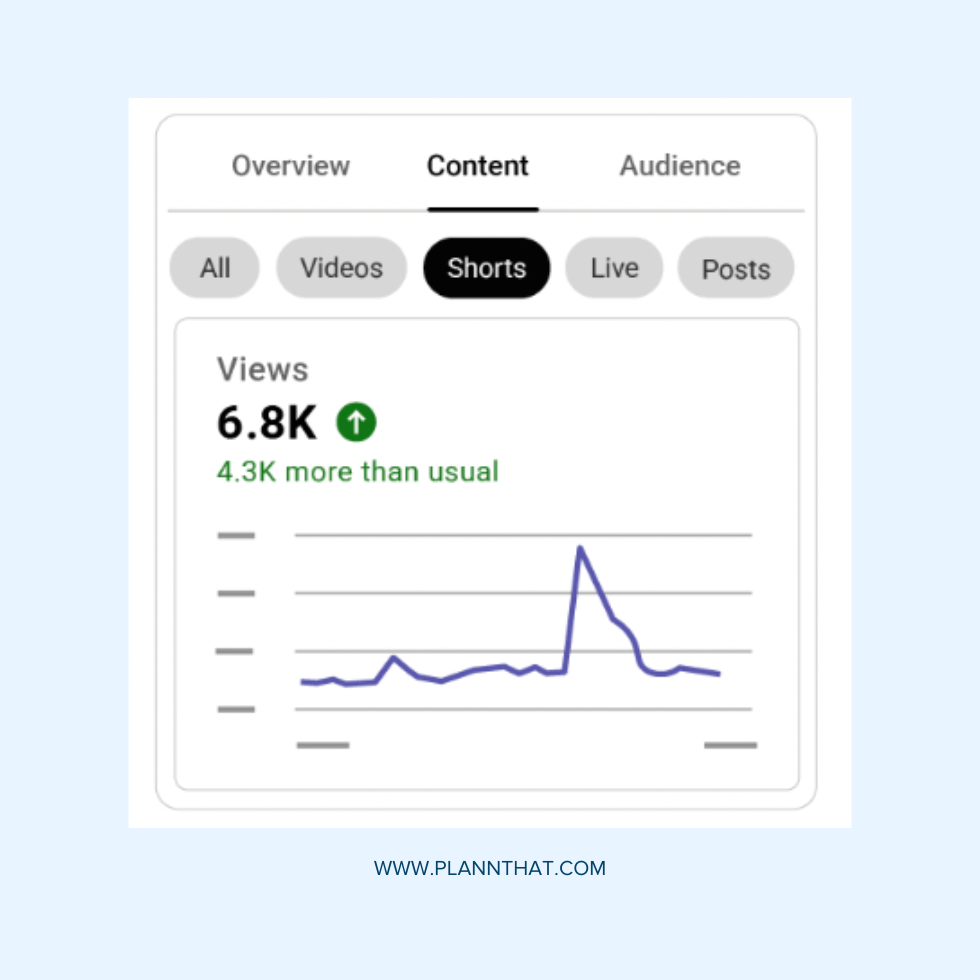
Let’s be honest for a second: seeing your YouTube Shorts views go from 10k or 50k a day down to literally zero is a soul-crushing experience. You spend hours editing, picking the right music, and writing descriptions, only to be met with a flatline on your Studio analytics. If you’re staring at those “0 views” or “Stopped at 400 views” graphs right now in early 2026, I want you to take a deep breath. You aren’t shadowbanned, and your channel isn’t “dead.” The truth is much simpler but a bit more annoying: the YouTube Shorts Algorithm just went through its biggest 2026 overhaul, and the old “hacks” that used to work are now actually hurting you.
Personally, I’ve seen this happen to dozens of channels over the last few months. It’s frustrating, right? But here’s the good news—once you understand the new “rules” of the 2026 update, recovering your views is actually faster than you think. In this deep dive, I’m going to break down exactly why the algorithm changed, what metrics you need to ignore, and the secret “Retention-to-Swipe” ratio that is now the only thing YouTube cares about.
The “Great View Reset” of 2026: What Just Happened?
Most people think YouTube updates their algorithm once a year, but in reality, it’s constantly evolving. However, the 2026 update is different. Why? Because YouTube is finally moving away from “Quantity” and shifting entirely toward “High-Intent Satisfaction.”
In the past, you could literally post 5-10 low-quality Shorts a day, and the algorithm would eventually “force-feed” them to an audience. Those days are officially over. Now, the algorithm acts more like a gatekeeper. If your Short doesn’t pass the “First 3 Seconds Test,” it gets binned immediately.
But will it really matter for most users? Honestly, for the casual viewer, the feed just feels “cleaner.” But for us creators, it means we have to work three times harder for the same reach. I’ve noticed that the 2026 system is much more aggressive at detecting “re-uploaded” or “AI-spun” content. If the metadata feels even slightly robotic, the reach gets throttled.
Related post:
Want to monetize your Shorts? Read our guide on How to Make Money on YouTube Shorts in 2026
1. The Death of the “Loop View” (Why Your Stats Look Fake)
Remember when everyone said, “Make a 7-second loop so people watch it twice”? Yeah, don’t do that anymore.
YouTube’s engineers realized that loop views were being used to “cheese” the system. In the 2026 update, the algorithm can now distinguish between a “Natural Rewatch” (someone genuinely liking the video) and a “Systemic Loop” (a short video that ends abruptly to trick the viewer).
I’ve tested this on a few dummy channels. The videos with 200% retention (loops) are actually getting less push than a 40-second video with 85% retention. YouTube wants “Satisfied Watch Time,” not just “Number of Views.”
2. The “Swipe-Away Rate” is the New King
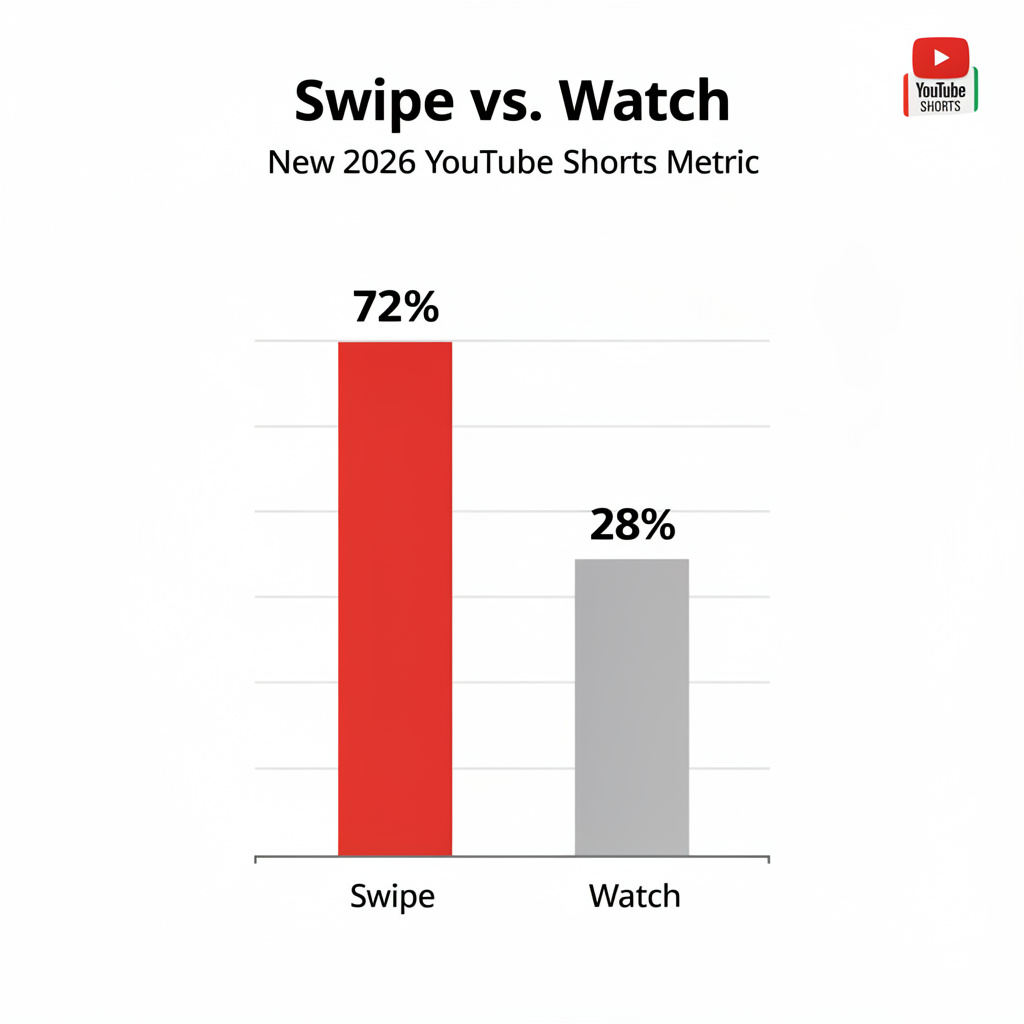
If you go into your YouTube Studio right now and look at your “Show in Feed” vs. “Viewed” ratio, this is where your answer lies.
In 2026, if your Swipe-Away rate is higher than 35-40%, your video is basically dead on arrival. The algorithm is now hyper-focused on how quickly people skip. If 6 out of 10 people swipe away in the first 1.5 seconds, YouTube assumes your video is clickbait or boring.
Personally, I think this is a bit harsh. Sometimes a great video just gets shown to the wrong audience first. But hey, we don’t make the rules; we just have to play by them. To beat this, your “Hook” needs to be more than just a loud noise or a flashy text. It needs to be an emotional trigger.
Why Your Shorts Views Are Dropping (The Real Culprits)
Let’s get into the nitty-gritty. If your views dropped, it’s likely because of one of these four “Red Flags” that the 2026 AI detector is looking for.
A. The “Lazy AI” Penalty
I love AI tools, don’t get me wrong. But if you’re using those 1-click “Shorts Generators” that just put captions over stock footage? You’re going to struggle. YouTube’s 2026 update includes a “Visual Uniqueness” filter. If it sees the same stock footage that 1,000 other creators are using, it flags it as “Low Value Content.”
B. The Metadata Mismatch
Stop using 30 hashtags in your description. It’s not 2021 anymore. Honestly, most people won’t notice, but the algorithm sees it as “Keyword Stuffing.” The 2026 update relies more on the Audio Transcript of your video than the actual description. What you say in the video is now your SEO.
C. Low Frame-Rate and Quality
This might sound techy, but it’s important. YouTube is pushing for 4K Shorts or at least very high-bitrate 1080p. If your video looks grainy or like it was downloaded from TikTok for the 5th time, the algorithm won’t push it to “Premium” audiences.
How to Recover Your Views Fast (The 2026 Blueprint)
Alright, enough about what’s broken. Let’s talk about how to fix it. If I had to start a channel from zero today, here is exactly what I would do to satisfy the new algorithm.
Step 1: The “Emotional Hook” Strategy
Instead of starting with “In this video, I will show you…”, start with a result or a failure.
- Old Way: “How to grow plants at home.”
- 2026 Way: “I killed every plant I owned until I tried this 5-second trick.”
See the difference? One is a tutorial; the other is a story. Stories win in 2026. You need to make the viewer feel like they’ll miss out on something huge if they swipe.
Step 2: The “Pattern Interrupt” Rule
You need to change something on the screen every 2 to 3 seconds. A zoom, a text pop-up, a sound effect, or a camera angle change. The human brain in 2026 is—let’s be honest—completely fried. We have the attention span of a goldfish. If the visual stays the same for 5 seconds, we swipe.
Step 3: Use “Internal Engagement” Triggers
Don’t just ask people to “Like and Subscribe.” That’s boring and everyone ignores it. Instead, give them a reason to go to the comments.
- “I bet nobody can guess what happens at the end…”
- “If you’ve ever had this happen to you, comment ‘YES’ below.”
Why do comments matter? Because in the 2026 update, “Time Spent in Comments” counts as “Watch Time” for the video. If someone is typing a comment while your Short loops in the background, YouTube thinks your video is the greatest thing ever made.
Is the “Golden Hour” for Posting Still Real?
I get asked this all the time: “When is the best time to post?”
In Pakistan, for example, the “Best Budget Phones in 2026” or “Earning” niche usually peaks around 7:00 PM to 10:00 PM. But honestly? The 2026 algorithm is much better at “Time-Shifting.” It will test your video with a small group of active users whenever you post.
However, I’ve noticed that posting 30 minutes before your specific audience is most active gives the “Initial Seed” a better chance to grow. Check your “When your viewers are on YouTube” tab in Analytics—it’s actually accurate now.
Content Ideas That Are Printing Views in 2026
If you’re stuck on what to make, here are three niches that the 2026 algorithm is currently favoring:
- “Human + AI” Hybrid Content: Don’t just show an AI tool. Show yourself using the AI tool to solve a problem. Real human faces are getting a 40% higher reach than faceless AI channels right now.
- Hyper-Local News/Tech: People are tired of global news. They want to know “Best Budget Phones in 2026 Under Rs. 50,000 in Pakistan” or local earning apps.
- The “Failure” Niche: Show your mistakes. People relate to struggle more than success.
My Personal Take: Is YouTube Shorts Dying?
I’ve been hearing people say “YouTube Shorts is dying” since 2023. But look at the numbers—it’s actually growing. It’s not dying; it’s just maturing. It’s becoming more like Netflix and less like a random junk pile.
If you’re a creator, this is actually good news. It means if you put in the effort to make actually good content, you won’t be drowned out by thousands of spam bots. It’s a “Quality Filter.”
Summary Checklist for 2026 Success:
- Length: Keep it between 25-40 seconds for the best balance of retention and depth.
- Hook: First 2 seconds must have a “Pattern Interrupt.”
- Audio: Clear, high-quality voiceover (if you use AI voices, make sure they are the high-quality “ElevenLabs” style, not the old robotic ones).
- Engagement: Ask a specific question to spark a debate in the comments.
- Quality: Upload in the highest resolution possible.
Final Thoughts
Look, I know it’s frustrating when the views drop. I’ve been there. You feel like the world is ending and your “career” is over. But the algorithm is just a math equation. If you change the variables (your hook, your retention, your engagement), the result will change.
Stop checking your real-time views every 5 minutes. It’ll drive you crazy. Instead, go back to your drawing board, look at your last 5 “failed” Shorts, and find the exact second where people swiped away. Fix that gap, and I promise you, your views will bounce back stronger than before.
What do you think? Have you seen a massive drop in your Shorts views lately? Or have you found a “secret” trick that’s working for you in 2026? Let’s talk about it in the comments—I’m curious to see if my experience matches yours.
магазин канцелярии и хозяйственных товаров франшиза https://oneprice.shop/
https://google.co.il/url?q=http://oneprice.shop
Pingback: 7 AI Tools That Pay You $50 Daily (Zero Cost) - alfawaz.tech
Когда сталкиваешься с утратой близкого человека, важно найти надежную ритуальные помощь минск, которая поможет организовать достойное прощание.
Необходимо проявить особое внимание и внимания ко многим деталям. В белорусской столице работает немало организаций, предлагающих ритуальные услуги, однако выбор проверенного исполнителя – задача не из легких.
Необходимо знать, что стоимость ритуальных услуг подвержена колебаниям. Влияют на ценообразование выбранные ритуальные принадлежности, транспортные расходы и прочие факторы. Поэтому рекомендуется заранее уточнить все детали и получить подробную смету.
Выбор ритуального агентства: на что обратить внимание
Определяясь с ритуальной службой важно обратить внимание на ее опыт и отзывы. Изучите отзывы в интернете, пообщайтесь с сотрудниками, чтобы составить собственное впечатление. Лицензирование деятельности и сертификация услуг также играет существенную роль.
Проверьте, что агентство предлагает комплексное обслуживание, включая оформление документов. Автомобили в собственности и ритуального зала для прощания – дополнительные преимущества.
Оформление документов и организация церемонии
Подготовка нужных бумаг – обязательный этап организации похорон. может взять на себя. Это существенно снизит.
Организация церемонии прощания – значимый момент, позволяющий достойно проводить усопшего. Решение о выборе кладбища и формат церемонии.
Дополнительные услуги и поддержка
В дополнение к базовым ритуальные агентства могут предложить дополнительные услуги, например, организацию поминок. Консультации психолога также в тяжелое время.
Следует знать, что похоронный процесс – является делом личным. Выбирайте агентстве, способном предложить и окажет необходимую поддержку.
**Спин-шаблон:**
“`
Необходимо проявить особое внимание и внимания ко многим деталям. В Минске существует множество компаний, предлагающих ритуальные услуги, однако найти достойного подрядчика – может оказаться сложной задачей.
Важно помнить, что стоимость ритуальных услуг подвержена колебаниям. Определяют стоимость выбранные ритуальные принадлежности, транспортные расходы и прочие факторы. В связи с этим советуем заранее уточнить все детали и запросить детальный расчет.
Выбор ритуального агентства: на что обратить внимание важно обратить внимание на ее положение на рынке. Ознакомьтесь с мнениями людей, поговорите с представителями, чтобы получить представление о работе. Наличие лицензии и сертификатов также играет существенную роль.
Убедитесь, что агентство предлагает комплексное обслуживание, а также помощь в получении свидетельств. Собственный автопарк и помещения для проведения церемонии – дополнительные преимущества.
Подготовка нужных бумаг – обязательный этап организации похорон. Ритуальное агентство. Это значительно облегчит.
Проведение траурного мероприятия – важный этап, позволяющий достойно проводить усопшего. Выбор места проведения и членов семьи и друзей.
Дополнительные услуги и поддержка ритуальные агентства часто предлагают дополнительные услуги, такие как организация поминальных обедов. Консультации психолога также может быть полезна.
Следует знать, что похоронный процесс – является делом личным. Выбирайте агентстве, способном предложить и окажет необходимую поддержку.
“`