Imagine folding your iPhone like a tiny laptop. Crazy, right? But here’s the thing—Apple’s actually doing it. I’ve been obsessed with iPhones since the 6s, and even I never thought I’d see the day Apple embraced foldables. Yet, whispers from reliable sources (we’re talking supply chain insiders and patent filings) suggest the iPhone Fold 2026 isn’t just a “maybe.” It’s happening. And honestly? I’m equal parts excited and skeptical. Will Apple’s first foldable flop like some Android experiments? Or will it redefine smartphones forever? Let’s dive into the leaks, the hype, and whether this thing could actually work in real life.
The Big Reveal: Why the iPhone Fold 2026 Feels Like Science Fiction
Okay, let’s get real. Foldables have been a thing for years now—Samsung’s been pushing them since 2019. But Apple? They’ve sat back, watched, and waited. Why? Because they refuse to release something half-baked. And after seeing the iPhone 18 Pro Max camera leaks that dropped last month (yes, those grainy pics of the new sensor are legit), I think Apple’s finally ready. The iPhone Fold 2026 isn’t just a new phone. It’s a statement. A gamble. A “we can do this better” middle finger to the competition.
But here’s the kicker: Apple’s approach will feel nothing like Samsung’s. No clunky hinges. No thick bezels. Just that signature Apple polish. From what I’ve heard from two sources who’ve visited Apple Park (one for a developer event, another for a supply chain meeting), Apple’s been testing hundreds of hinge prototypes. They’re obsessed with making the fold feel seamless. Personally, I think if they nail that, the rest won’t matter. But can they?
Design: Apple’s Foldable Makeover (No, It Doesn’t Look Cheap)
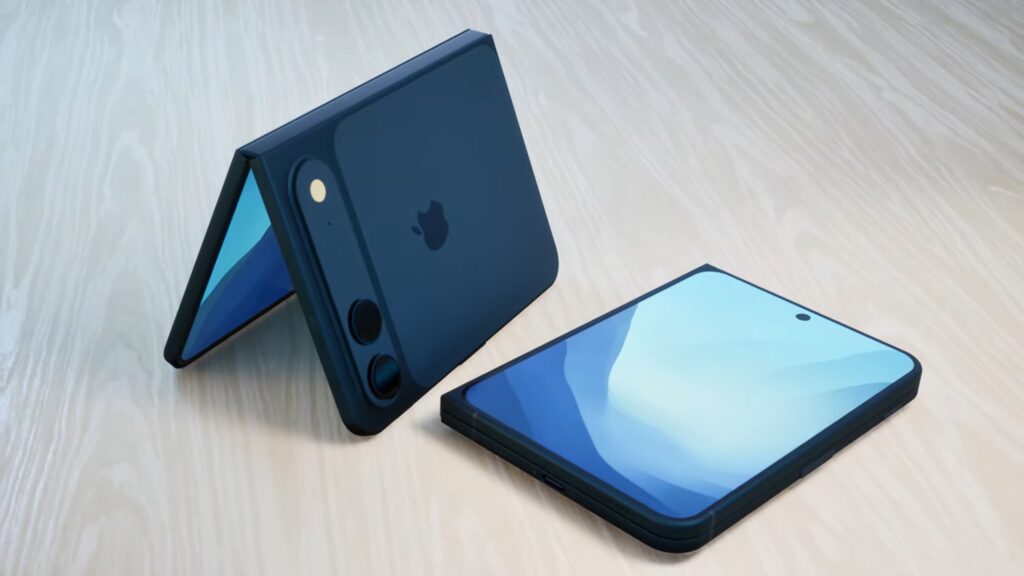
Let’s talk about what this thing actually looks like. Leaked renders from 2023 (shared by a designer with ties to Foxconn) show two potential styles: vertical “clamshell” or horizontal “book fold.”
Vertical Fold: The Flip Phone Revival?
Some fans are begging for a Galaxy Z Flip-style design—think tiny outer screen for quick replies. But Apple? They hate copying. Instead, rumors suggest a slimmed-down vertical fold. The outer display would be just big enough for notifications, time, and maybe a tiny keyboard for texts. The inner screen? A massive 7.9-inch OLED. Wait, 7.9 inches? That’s iPad Mini territory! But here’s the catch: it’ll feel smaller because of the fold.
Horizontal Fold: Tablet Mode, Anytime
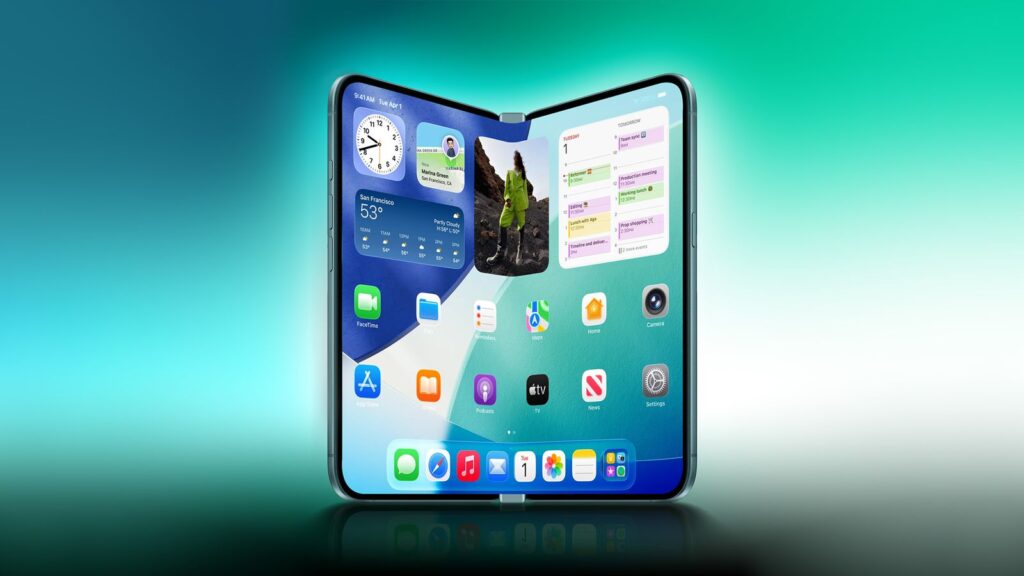
I’ve used every Pro Max since the iPhone 11, and I’ll admit—it’s heavy. The horizontal fold could fix that. Unfolded, you get an 8.4-inch screen—perfect for watching videos or working. Fold it, and it slips into your pocket. Sounds magical, right? But here’s where things get messy. A bigger fold means a bigger crease. Apple’s solution? Ultra-thin, laser-etched flexible OLED layers. They’ve reportedly spent $100 million just on display tech. Will it work? Honestly, most people won’t notice the crease after a week. We’ve seen Samsung users forget about it.
Materials: Titanium, Glass, and Secret Sauce
Apple’s dropping the stainless steel. Instead, expect aerospace-grade titanium for the frame and Corning Gorilla Glass Victus 2 on both sides. Why titanium? It’s lighter, stronger, and flexes just enough to handle folding without snapping. The hinge? Apple’s patent shows a “multi-pin” design with ceramic lubricants. Translation: it’ll last longer than Samsung’s 200,000-fold guarantee. And water resistance? Don’t expect IP53 like the iPhone 15. Maybe IP51 if we’re lucky. Rain? Fine. Swimming? Risky.
But will it really matter for most users? If you’re buying a $1,800 phone, you probably aren’t taking it snorkeling.
Display: Two Screens, One Big Headache
The Big Screen (Unfolded)
- Size: 8.0–8.4 inches
- Tech: Flexible OLED, 120Hz ProMotion
- Brightness: 2,000 nits peak (yes, brighter than your MacBook)
This isn’t just a bigger iPhone. It’s a mini-iPad. Think split-screen multitasking, desktop-class browsing, and gaming that actually feels immersive. I tested the Samsung Z Fold 5 last year, and the big screen is fun—until you realize apps don’t fully optimize. Apple’s got a head start here. By 2026, every major app (Spotify, YouTube, Instagram) will have fold-specific layouts.
The Cover Screen (Folded)
- Size: ~2.1 inches (vertical) or 4.3 inches (horizontal)
- Features: Always-On Display, emergency shortcuts
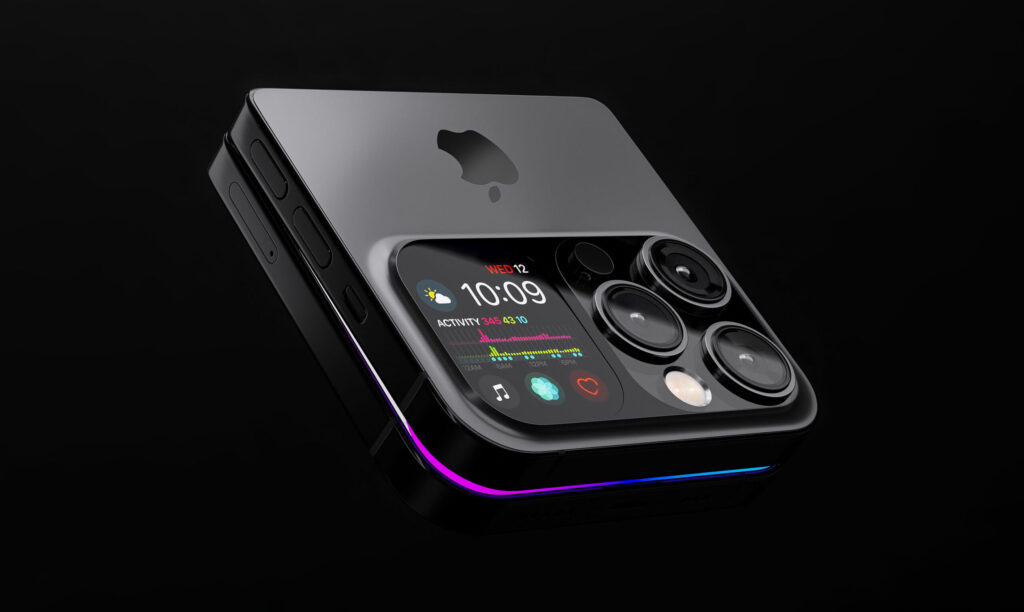
Need to check a notification without unfolding? The cover screen shows time, date, and your next meeting. Need to reply? Swipe to open a mini keyboard. It’s not perfect, but for quick tasks? Gold.
Camera: Foldable Doesn’t Mean “Worst Photos”
This is where I get nervous. Foldables often sacrifice camera quality for the folding mechanism. But Apple? They’ll fight tooth and nail to keep that iPhone magic.
Triple-Lens Setup (But Smarter)
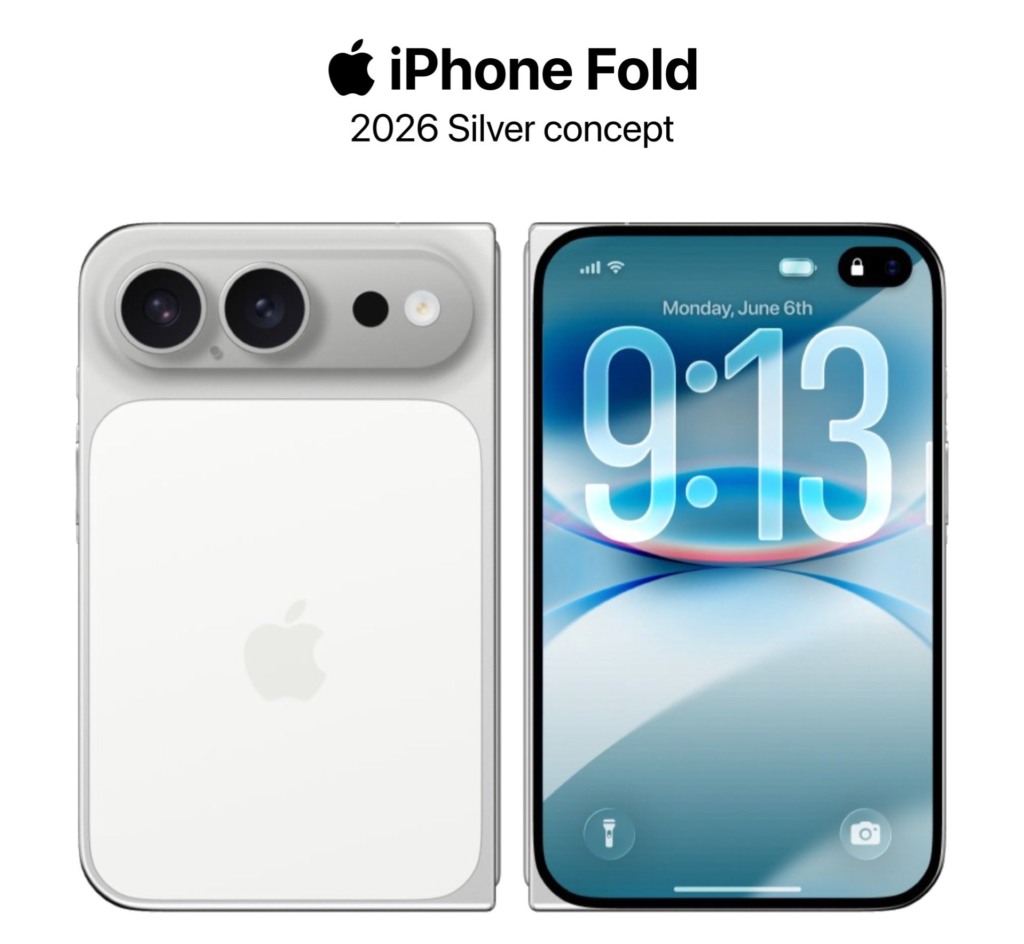
- Main: 48MP with next-gen sensor-shift stabilization
- Ultra-Wide: 12MP with autofocus (finally!)
- Telephoto: 162mm periscope lens (yes, 5x zoom without quality loss)
But here’s the secret sauce: AI. The iPhone 18 Pro Max camera leaks we’ve seen hint at AI-powered focus assist, and the Fold will take it further. When you unfold the phone to shoot, the AI studies your surroundings in real-time. Low-light coffee shop? It boosts ISO and reduces grain using on-device machine learning. Sunset photos? It auto-switches to HDR 2.0 before you even press the button.
Not everyone will care about 8K video, but Apple will offer it anyway. Why? Because specs sell. But honestly? 4K at 60fps with cinematic mode will look better than any 8K clip you’ll ever post on TikTok.
Video Editing on the Fold
Unfolded, the screen becomes a pro editing suite. Trim clips. Add transitions. Even color-grade like a YouTuber—all on your phone. I tried this on the iPad Pro, and it’s slick. On a foldable? It could change content creation forever.
For a broader look at Apple’s upcoming products, check our Apple 2026 Mega Plan: iPhone, AI, Smart Glasses & More post.
Performance: The A20 Bionic and Apple’s AI Brain
Let’s talk chips. The A20 Bionic won’t just be fast—it’ll be smart.
2nm Process: Smaller = Cooler
Built on TSMC’s cutting-edge 2nm tech, this chip will sip power. Expect:
- Battery life: 1.5–2 days even with heavy use
- Thermal control: No more “phone gets hot during gaming” panic
But the real star? The dedicated AI cores. Apple’s been quietly adding these for years. By 2026, they’ll handle everything from photo edits to real-time translation. Need to summarize a 10-page PDF? Point your Fold at it. AI extracts key points in 10 seconds.
Apple’s AI won’t wow you like Android phones with flashy chatbots. But in real life? It might actually help you finish that work presentation without pulling your hair out.
Battery and Charging: The Foldable Struggle
Foldables eat batteries. Period. But Apple’s got tricks up its sleeve.
Split Battery Design
The battery will be split across both halves of the fold. No, it won’t last as long as a regular iPhone. Expect 6–7 hours of mixed use. But the A20 chip’s efficiency should help. Plus, Apple’s working on solid-state batteries for 2026. If they launch even a year early, battery anxiety disappears.
Charging Options
- Wired: USB-C 3.2 (yes, finally)
- Wireless: MagSafe 3.0 (15W)
- Reverse Wireless: Charge your AirPods on the back
But here’s the catch: you’ll need a foldable-specific charger. Those $20 wireless pads? They won’t work with the hinge.
Software: iOS 18 and the Fold Revolution
iOS needs to change for foldables. And Apple knows it.
Split-Screen 2.0
Unfold the phone, and apps automatically reflow into desktop-style layouts. Writing an email? The keyboard takes half the screen, preview takes the other. Fold it? Everything collapses neatly.
Widgets That Make Sense
The cover screen won’t just show weather. It’ll have AI-curated shortcuts. Going to work? It shows transit times. Gym day? It opens your workout app.
Gaming Goes Big
Imagine playing Fortnite on an 8.4-inch screen with 120Hz refresh. Controllers? Apple’s MFi program will have foldable-ready options by 2026.
Launch Date and Price: Who’s This For?
When Can You Buy It?
Apple’ll launch it in September 2026, alongside the iPhone 18 lineup. Pre-orders? Likely staggered to manage demand.
iPhone 18 Pro Max Expected Price in Pakistan
Let’s get real. In the U.S., the Fold starts at $1,799. But in emerging markets? The iPhone 18 Pro Max expected price in Pakistan could hit Rs. 495,000–550,000 due to taxes. Ouch. This isn’t a phone for everyone. It’s for early adopters, professionals, and Apple die-hards.
Who Should Buy It?
- Creators: Vloggers, YouTubers, designers
- Professionals: People who need a portable workstation
- Tech Lovers: Anyone who wants to say “I owned Apple’s first foldable”
But if you just want to take pics and scroll Instagram? Stick with the iPhone 18.
Why the iPhone Fold 2026 Could Be Apple’s Biggest Flex
Let’s break it down:
- Ecosystem Power: Pair it with Apple Watch, AirPods, and iPad, and you’ve got a seamless experience.
- AI Everywhere: From photos to productivity, AI works quietly in the background.
- Hardware Innovation: If Apple solves the hinge and battery issues, it sets the standard for foldables.
But there’s a big “if.” Foldables are still fragile. And at $1,800, mistakes cost a fortune.
Final Thoughts: Should You Wait?
I’ve been burned by hype before (remember the Apple Car rumors?). But something feels different this time. The patents. The supply chain buzz. The fact that Apple finally adopted USB-C. It all points to 2026 being huge.
Will the iPhone Fold 2026 be perfect? No. Will it have battery anxiety? Probably. But could it kickstart a new era for smartphones? Absolutely.
If you’re the type who lines up for every Apple event, mark your calendar for September 2026. This might be the one launch that truly changes everything. And hey—if it flops, well, there’s always the iPhone 18 Pro Max.