Okay, look. I’ve been following Apple leaks for years, and 2026 is shaping up to be absolutely insane. We’re not talking about the usual iPhone refresh and maybe a MacBook update. No, Apple’s apparently planning to drop over 25 new products next year. Twenty-five! iPhones, Macs, iPads, home gadgets, wearables, and some futuristic tech that honestly sounds too good to be true. I’m skeptical about some of these rumors, but the sheer volume of leaks makes me think something big is coming. Let me walk you through everything we know so far, and trust me, some of this stuff is genuinely exciting.
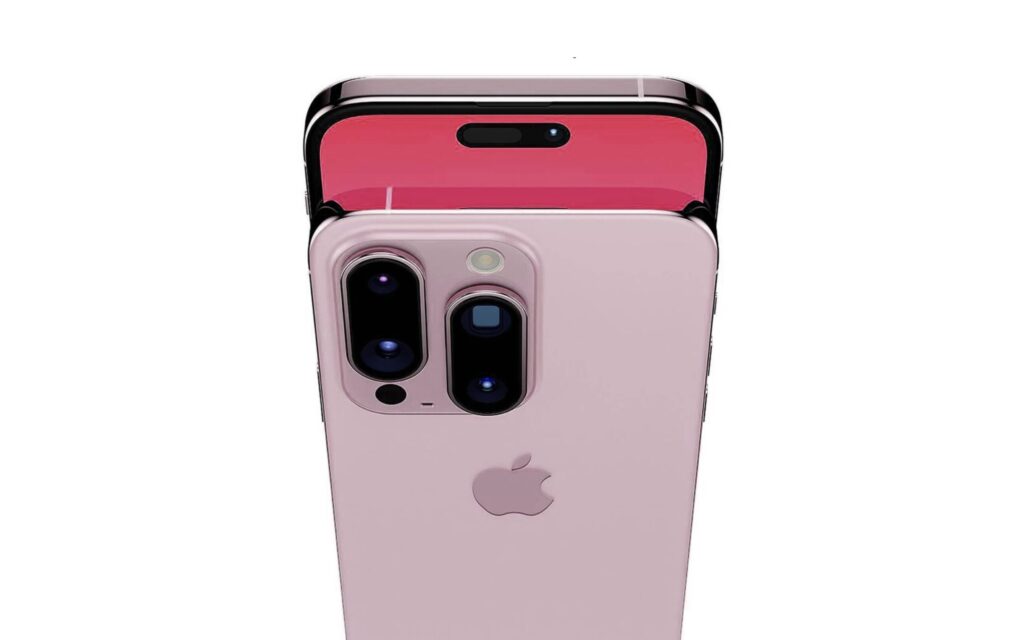
The iPhone Situation: More Models Than Ever
Apple’s iPhone lineup for 2026 is looking crowded. Like, really crowded. And honestly? I’m not sure how I feel about all these options.
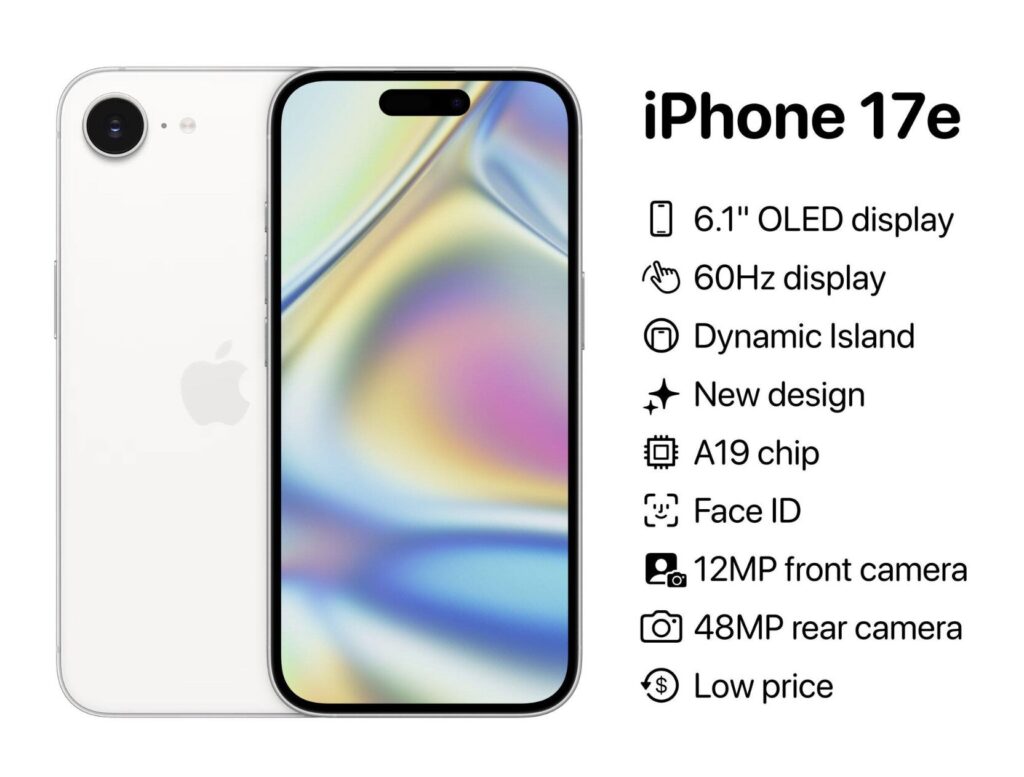
iPhone 17e — The One Everyone’s Talking About
The iPhone 17e has been getting the most attention, and for good reason. This is Apple’s attempt at a “value” iPhone that doesn’t feel cheap. I’ve used budget iPhones before—the SE models were okay but felt like compromises everywhere you looked.
The 17e seems different. Leaks suggest it’ll pack the A19 chip, which is the same processor expected in the regular iPhone 17. That’s huge. You’re getting flagship performance in a more affordable package.
It’ll also feature Dynamic Island, which honestly took me a while to appreciate when it first launched. I thought it was a gimmick. But after using it daily? It’s genuinely useful for notifications and live activities.
The design is supposed to be modern, not some recycled iPhone 11 body. For people who want a real iPhone experience without dropping 300,000+ rupees in Pakistan, this could be the answer.
Personally, I think this will be Apple’s best-selling phone of 2026. Not the Pro Max with all its fancy cameras. The 17e, because it just makes sense for most people’s actual needs.
iPhone Air 2 — Wait, What’s This?
Now this one’s interesting. Rumors suggest Apple’s working on an “iPhone Air” that’s slimmer and lighter than the standard models.
But here’s my question: do people actually want thinner phones? We’ve already got phones so thin they need camera bumps. I’d rather have a slightly thicker phone with better battery life, honestly.
Still, if Apple can make a genuinely lightweight phone without sacrificing battery or performance, that could appeal to a specific audience. People who are on their phones constantly and notice the weight difference.
The specs are supposedly balanced for everyday users. Nothing crazy, nothing underpowered. Just a well-rounded phone that happens to be easier to carry around.
I’m curious about this one, but I need to see real-world reviews before forming a solid opinion.
If you want to check out the latest iPhone 18 camera leaks and features, read our detailed post here
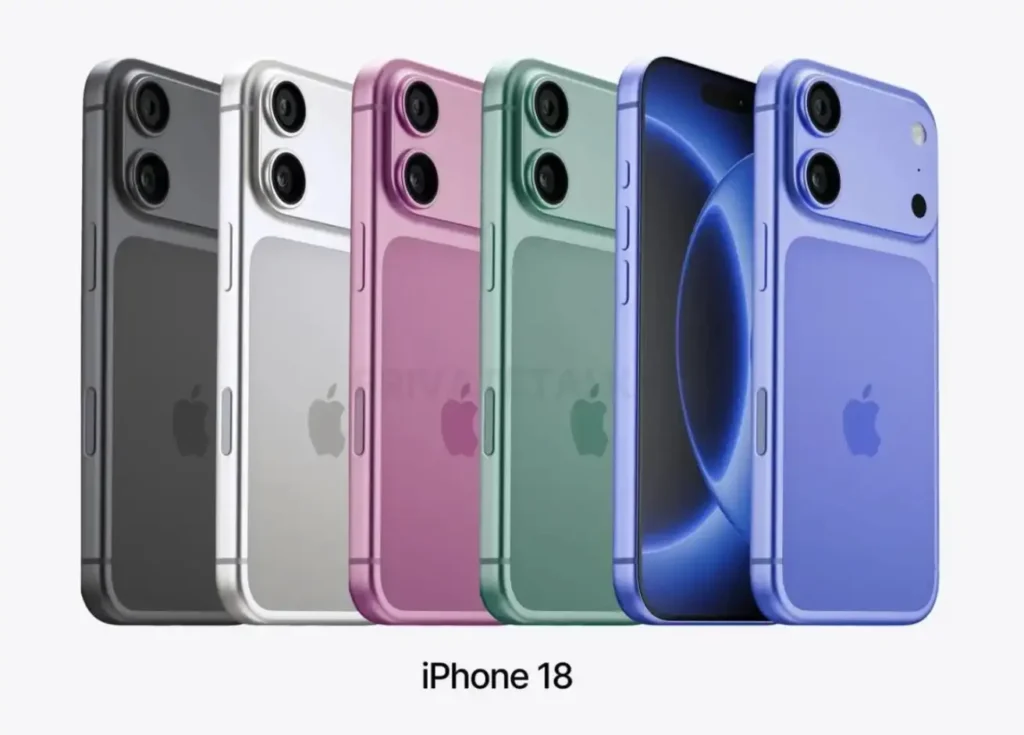
iPhone 18 Pro & Pro Max — The Heavy Hitters
The iPhone 18 Pro and Pro Max are the 2026 flagships everyone’s waiting for. These are supposed to launch later in the year, probably in the usual September timeframe.
What do the leaks say? Upgraded cameras, obviously. Apple always improves cameras. Better chips—probably the A20 or whatever they’re calling it. Enhanced performance across the board.
But will it really matter for most users? I mean, the iPhone 15 Pro Max is already more powerful than most people need. The 16 Pro Max even more so. At some point, these specs become overkill for anyone who’s not editing 8K video on their phone.
Still, the iPhone 18 Pro Max camera leaks are fascinating. Rumors talk about improved zoom capabilities, better low-light performance, and potentially some new AI features for computational photography.
The iPhone 18 Pro Max expected price in Pakistan is probably going to be absolutely brutal. I’m guessing 450,000 to 500,000 rupees, maybe more depending on the dollar rate. That’s a whole motorcycle. That’s university fees for a semester.
Who’s this phone for? Professionals who genuinely need the best camera. Tech enthusiasts who want bragging rights. People with money to burn. That’s about it.
Foldable iPhone — Is This Real or Just Hype?
Okay, the foldable iPhone rumors have been circulating for years. Every year someone says “this is the year!” and every year, nothing happens.
But the 2026 leaks seem more credible. Multiple sources are mentioning it. Supply chain reports suggest Apple’s testing foldable displays.
Here’s my take: I’m not holding my breath. Foldable phones are cool in concept but problematic in execution. I’ve used Samsung’s foldables. They’re impressive engineering, sure. But the crease bothers me. The durability concerns are real. And the price? Ridiculous.
If Apple does launch a foldable iPhone, it’ll be expensive. Like, insanely expensive. Probably 600,000+ rupees in Pakistan. And it’ll be a first-generation product with all the quirks that come with that.
Would I buy one? Probably not. Would I be fascinated to see what Apple does differently? Absolutely.
Mac Lineup: Silicon Power Everywhere
Apple’s transition to its own chips has been incredible. The M-series processors are genuinely impressive. And 2026 looks like the year Apple floods every Mac category with new silicon.
Affordable MacBook with A18 Pro Chip
This is one of the most interesting rumors. An actually affordable MacBook aimed at students and budget buyers.
Here’s the thing: MacBooks are expensive. Even the MacBook Air, which is supposed to be the “cheap” option, costs a fortune in Pakistan. You’re looking at 250,000+ rupees easily.
An A18 Pro-powered MacBook could potentially come in under 200,000 rupees. Maybe. Hopefully. That would make Mac ownership accessible to way more people.
But will the A18 Pro chip be powerful enough for laptop tasks? It’s a phone chip, after all. Though Apple’s been blurring the lines between their A-series and M-series chips lately.
I’m cautiously optimistic about this one. If Apple can deliver a proper Mac experience at a genuinely lower price point, that’s a game-changer for markets like Pakistan.
MacBook Air with M5 Chip
The MacBook Air is already fantastic. I know multiple people who swear by it. Perfect for students, professionals who don’t need heavy-duty performance, and anyone who values portability.
The M5 chip update should bring better performance and improved efficiency. Longer battery life, faster processing, better graphics. The usual improvements.
Honestly, the current M2 and M3 MacBook Airs are already more than capable for most users. But if you’re in the market for a new laptop in 2026, waiting for the M5 version makes sense.
It’ll probably be more expensive than the A18 Pro MacBook but offer better performance and the full macOS experience optimized for laptop use.
MacBook Pro with M5 Pro & M5 Max
For creators and professionals, the MacBook Pro lineup is getting refreshed with M5 Pro and M5 Max chips.
Video editors, music producers, 3D designers, software developers—these are the people who actually need this level of power. And honestly, Apple’s been crushing it with the Pro models lately.
The performance jumps might not be massive compared to M4 generation, but incremental improvements add up. Faster rendering, smoother multitasking, better sustained performance under heavy loads.
If you’re a professional whose work depends on your laptop, these machines are worth the investment. For everyone else? Probably overkill.
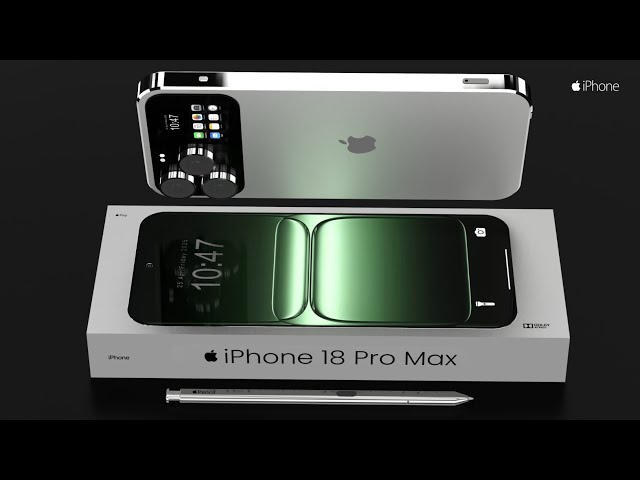
Mac Studio & Mac mini Updates
Desktop Macs are getting love too. The Mac Studio and Mac mini will supposedly get M5 chip updates.
The Mac mini is fascinating to me. It’s this tiny computer that packs serious power. Perfect for home offices, media centers, or anyone who already has a good monitor and peripherals.
The Mac Studio is for power users who need desktop-class performance without getting a full Mac Pro. It’s expensive but capable of handling professional workloads.
Both of these updates make sense. Apple’s keeping its entire Mac lineup current with the latest chips. That’s good for consumers and keeps the ecosystem consistent.
iPads & Displays: Tablets Are Still Relevant
Tablets are in a weird spot right now. They’re too big to be phones, too limited to replace laptops for many tasks. But Apple keeps pushing the iPad forward, and honestly, they’re still the best tablets you can buy.
iPad 12 — The Workhorse Gets an Upgrade
The standard iPad is Apple’s most affordable tablet. It’s what schools buy in bulk. What parents get for their kids. What casual users pick up for media consumption.
Rumors say the iPad 12 will feature the A19 chip—the same one in the iPhone 17e. That’s a significant performance boost. It’ll handle any app smoothly, support multitasking, and stay relevant for years.
For the price (probably around 120,000-140,000 rupees in Pakistan), that’s solid value. Not exciting, but solid.
iPad Air with M4 Chip
The iPad Air lineup is supposed to get M4 chips. That’s laptop-class performance in a tablet.
Who needs that much power in a tablet? Honestly, most people don’t. But for digital artists using Procreate, video editors working on the go, or professionals who’ve made iPads their primary work device, the extra power matters.
I’ve always found the iPad Air to be the sweet spot in Apple’s tablet lineup. Not as expensive as the Pro, but significantly more capable than the basic iPad.
With M4 chips, these will basically be MacBook-level machines in tablet form. Running Final Cut, Logic Pro, and other professional apps without breaking a sweat.
Apple Studio Display 2
Apple’s external displays have always been expensive. The current Studio Display is beautiful but costs as much as a decent laptop.
The second generation is rumored to bring better brightness, improved color accuracy, and potentially a higher refresh rate.
For creative professionals, a good display is essential. Colors need to be accurate for photo and video work. But for regular users? It’s hard to justify the price when you can get perfectly good monitors for a fraction of the cost.
Still, if you’re deep in the Apple ecosystem and want everything to match and work seamlessly, the Studio Display 2 will probably be worth considering.
Home Stuff & Wearables: The Little Things That Add Up
Apple’s been slowly building out its home and wearable product categories. None of these are revolutionary on their own, but together they create a pretty compelling ecosystem.
AirTag 2 — Because We Keep Losing Stuff
The original AirTag was actually useful. I’ve got one on my keys, one in my backpack. I’ve used them to find lost items multiple times.
AirTag 2 is supposed to have better precision and improved features. Maybe longer battery life? Better water resistance? More accurate location tracking?
These are small improvements, but for a product that’s about reliability, small improvements matter.
Honestly, if you’re already in the Apple ecosystem, AirTags are worth having. The second generation will probably be a marginal upgrade, but if you’re buying for the first time, wait for the new version.
HomePod mini 2 — Smart Speakers Still Matter
Smart speakers kind of fell out of the hype cycle, but people still use them. The HomePod mini is cute, sounds decent for its size, and works well with other Apple devices.
The second generation is rumored to have better sound quality and smarter Siri integration. Maybe better home automation capabilities too.
I’ve used HomePod minis, and they’re fine. Not amazing, not terrible. Just fine. If the new version significantly improves Siri (which desperately needs improvement), that could make them much more useful.
But let’s be real: Siri is still behind Google Assistant and Alexa in many ways. Apple needs to catch up.
Apple TV Refresh
Apple TV is a solid streaming device, but it’s expensive compared to alternatives. You can get a Chromecast or Fire Stick for way less money.
The upcoming refresh will probably bring better hardware, smoother interface, and tighter integration with other Apple services.
For people already subscribed to Apple TV+, Apple Music, Apple Fitness, and other services, the Apple TV box makes sense as a hub for all that content.
For everyone else? It’s a harder sell.
Home Hub & Smart Accessories
This is where things get interesting. Apple’s reportedly working on a dedicated home hub device—basically a smart display for controlling HomeKit devices, making video calls, displaying information, and managing your smart home.
Think of it like Amazon Echo Show but Apple. With better privacy. And probably double the price.
I’ve been waiting for Apple to make something like this. Their smart home strategy has felt incomplete without a central control point.
Rumors also mention cameras, sensors, and various smart accessories. Apple’s building out a complete home ecosystem to compete with Google and Amazon.
Will it be expensive? Absolutely. Will it work better than the competition if you’re already in the Apple ecosystem? Probably.
Future Tech: The Really Exciting Stuff
Here’s where the leaks get wild. Apple’s supposedly working on AR/AI wearables, including smart glasses and Vision Pro 2.
Smart Glasses — Are We Ready for This?
Smart glasses have been “the next big thing” for like a decade now. Google Glass failed. Various other attempts have flopped.
But Apple has a way of entering product categories late and doing them right. The Apple Watch wasn’t the first smartwatch, but it became the best one.
Could Apple do the same with smart glasses? Maybe. If anyone can make AR glasses that people actually want to wear, it’s probably Apple.
But I’m skeptical. The technology needs to be lightweight, stylish, long-lasting, and useful. That’s a tall order.
Vision Pro 2 — Making Mixed Reality More Accessible
The first Vision Pro was impressive but cost $3,500. In Pakistan, that translated to absolutely insane prices that made it completely inaccessible for normal people.
Vision Pro 2 needs to be cheaper. Significantly cheaper. And it needs more compelling use cases beyond “this is cool tech.”
I haven’t used the first Vision Pro (because who can afford it?), but reviews suggest the technology is amazing but the practical applications are limited.
If Apple can bring the price down to maybe $1,500-2,000 and develop better software and apps, mixed reality could actually become mainstream.
But that’s a big if.
What Does All This Mean for Apple in 2026?
If even half of these leaks are accurate, Apple’s going all-in on ecosystem expansion.
They’re not just making iPhones anymore. They’re creating an interconnected web of devices that work better together than individually.
Your iPhone talks to your Mac. Your iPad shares content with your Apple TV. Your AirTags integrate with Find My. Your HomePod controls your smart home. Your Apple Watch tracks your health data across all devices.
This strategy has advantages and disadvantages. The advantage is that once you’re in the Apple ecosystem, everything just works together smoothly. It’s convenient. It’s seamless.
The disadvantage is that you’re locked in. Leaving the ecosystem becomes harder because you’ve invested in so many interconnected products.
More Products = More Choices (And Confusion)
Honestly, I’m a bit worried about product lineup bloat. How many different iPhone models do we really need? How do regular consumers choose between them?
But I also understand Apple’s strategy. Different people have different needs and budgets. More options theoretically mean more people can find something that fits.
We’ll see how it plays out.
Apple Silicon Everywhere
One clear trend: Apple’s putting its own chips in everything. A-series in iPhones and iPads. M-series in Macs. Custom silicon in AirPods, Apple Watch, HomePod, and more.
This gives Apple incredible control over performance, efficiency, and the integration between hardware and software.
It also means the entire ecosystem runs on related technologies, making cross-device features easier to implement.
This is smart long-term strategy, even if it makes individual products more expensive in the short term.
Home Automation Finally Gets Serious
Apple’s been half-hearted about smart home stuff for years. HomeKit exists but feels like an afterthought compared to Google and Amazon’s ecosystems.
If the 2026 leaks are real, Apple’s finally getting serious about home automation. A dedicated hub, cameras, sensors, and accessories suggest they’re building a complete solution.
This could be huge. People are already concerned about privacy with Amazon and Google listening devices in their homes. Apple’s privacy-first approach could be a major selling point.
My Honest Take on This Whole Thing
After reading through all these leaks, here’s what I think: 2026 will be a big year for Apple, but not all of these products will matter equally.
The iPhone 17e could be genuinely important for making iPhones accessible to more people. The Mac silicon updates are natural progressions. The home automation stuff has potential if Apple executes well.
But some of this feels like product lineup bloat. Do we need an iPhone Air AND an iPhone 17e AND regular models AND Pro models? Does every product need annual updates?
I’m excited about the technology. I’m less excited about the complexity and the prices.
Quick Breakdown of Everything Rumored for 2026
Phones:
- iPhone 17e (the affordable flagship)
- iPhone Air 2 (slim and light)
- iPhone 18 Pro & Pro Max (the powerhouses)
- Foldable iPhone (maybe, possibly, we’ll see)
Macs:
- A18 Pro MacBook (budget option)
- MacBook Air with M5 (the sweet spot)
- MacBook Pro with M5 Pro/Max (for professionals)
- Mac Studio & Mac mini updates (desktop power)
iPads & Displays:
- iPad 12 with A19 chip (solid upgrade)
- iPad Air with M4 (tablet powerhouse)
- Apple Studio Display 2 (expensive but beautiful)
Home & Wearables:
- AirTag 2 (find your stuff better)
- HomePod mini 2 (smarter speaker)
- Apple TV refresh (better streaming)
- Home Hub (smart home control center)
- Various smart accessories (cameras, sensors, etc.)
Future Tech:
- AR/AI smart glasses (futuristic)
- Vision Pro 2 (mixed reality, hopefully cheaper)
Final Thoughts
Look, not all of these products will launch. Leaks are often wrong or based on prototypes that never see production. But the sheer volume of rumors suggests Apple’s planning something big for 2026.
Whether you’re waiting for an affordable iPhone, a Mac upgrade, or something completely new in smart home tech, next year should bring plenty of options.
Just be prepared for the prices. This is Apple, after all. Innovation doesn’t come cheap, especially not in markets like Pakistan where import duties and dollar rates make everything more expensive.
I’ll be watching these leaks closely as we get closer to 2026. Some of this tech genuinely excites me. Other parts feel unnecessary. But that’s Apple—always pushing forward, whether we asked for it or not.
Pingback: Apple 2026 Mega Plan: iPhone, AI, Smart Glasses & More - alfawaz.tech