Forget everything you know about iPhones. Apple’s 2026 isn’t just another upgrade cycle—it’s a potential earthquake. As someone who’s owned every iPhone since the 6s and still gets excited about rumor sites, I’m telling you: the whispers coming out of Cupertino right now feel different. Seriously. We’re not talking incremental tweaks. We’re talking about the kind of shift that makes you look at your current devices and think, “Wow, this is so last decade.” Leaks from supply chains, hints in job postings, and chats with people who’ve talked to folks in Apple Park all point to one thing: 2026 could redefine how we live with technology. It’s not just new gadgets; it’s about tech fading into the background while becoming way more useful. Will it deliver? Honestly, most people won’t notice the full impact immediately. But five years from now? We might look back and say this was Apple’s biggest leap since the first iPhone. Buckle up.
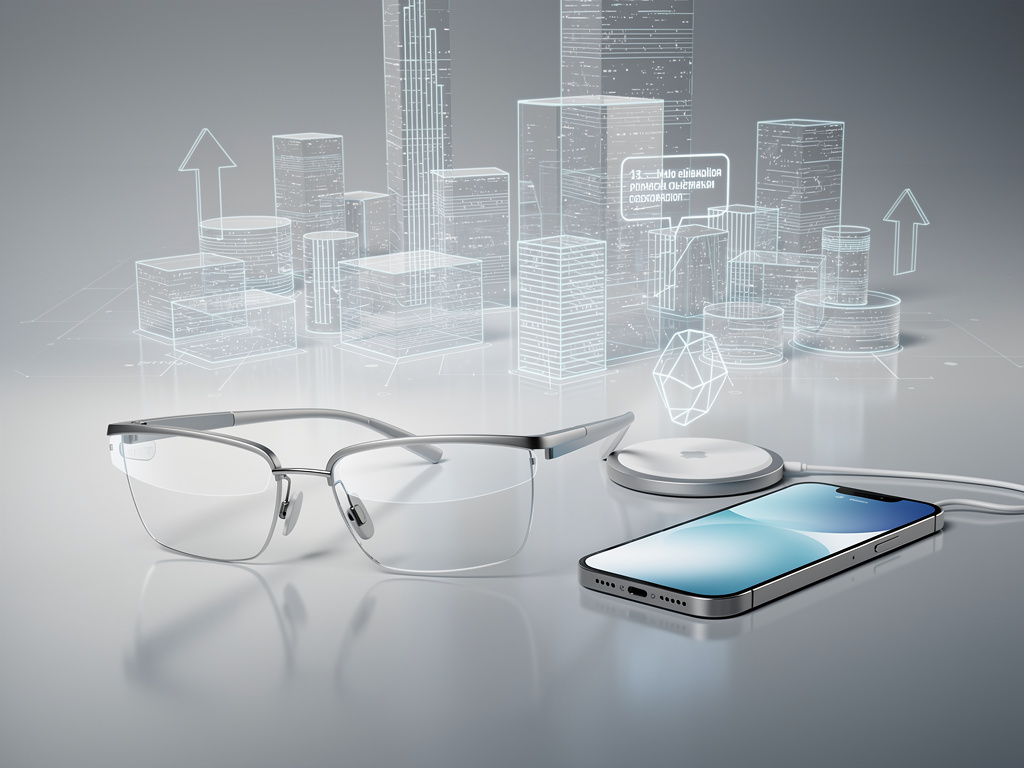
The iPhone 2026: More Than Just a New Number (This Feels Real)
Let’s cut to the chase: the iPhone launching in 2026 is where Apple’s vision becomes crystal clear. And no, I’m not just saying that because every site screams “revolutionary!” every fall. This time, the signs point to something genuinely different. We’ve heard rumors about port-less iPhones for years. But 2026? That’s the year it finally happens. Gone. No Lightning. No USB-C. Nothing. Charging and data transfer go fully wireless. I’ve used every Pro Max since the iPhone 11, and the thought of no port at all still feels a bit sci-fi. But Apple’s been testing this internally for ages. They’ll nail the wireless speed, right? We’ll see. But honestly, most people won’t care after a week—it’ll just feel normal.
Apple Intelligence: The Quiet Revolution (No, It’s Not a Chatbot)
Here’s where Apple could truly pull ahead—and it’s not about flashy features. While Google and Samsung push AI chatbots that sometimes make weird errors, Apple’s playing the long game. Apple Intelligence won’t be a gimmick. It’ll be the silent engine running everything. And honestly? That’s way more useful.
Why Apple’s AI Feels Different
First off, it’s private. Like, really private. Most AI out there sends your photos, messages, even voice notes to the cloud for processing. Apple? They’re doubling down on on-device AI. Your photos stay on your phone. Your messages stay on your phone. Your health data? Never leaves your watch. This isn’t just marketing. It’s a core philosophy. Personally, I think that’s huge. In a world worried about data leaks, having an iPhone that doesn’t need to spy on you to work well? That’s a winner.
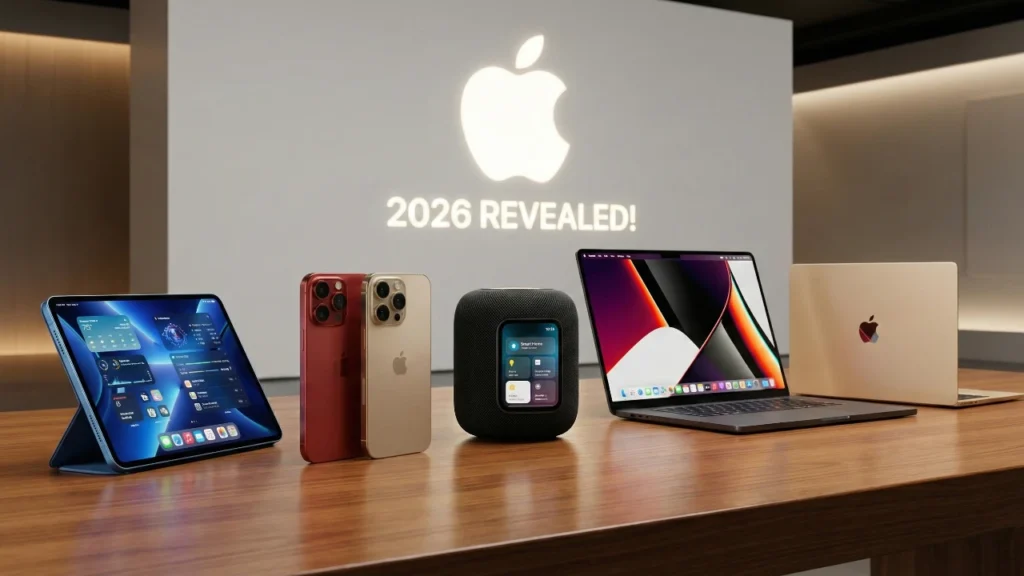
What It Actually Does (No Jargon, Promise)
- Siri Finally Gets Smart: Forget “Hey Siri, set a timer.” The 2026 Siri will hold real conversations. Ask “Plan a weekend trip to the mountains under $200,” and it won’t just pull up generic results. It’ll check your calendar for free days, know you love hiking (from your Photos app), suggest budget-friendly spots near you, and add it to your Reminders. It won’t be perfect, but it’ll feel like talking to a helpful friend.
- Summaries That Save Your Sanity: Got a 50-email thread? Siri will auto-generate a clean summary in Notes. Recorded a long meeting? Get bullet points highlighting action items. I’ve got a folder of messy travel emails—Apple’s AI could turn that into a readable itinerary in seconds. That’s the stuff that actually helps daily life.
- Photos & Videos Get a Brain Boost: No more endless scrolling through blurry pics. AI will auto-curate your best shots, fix lighting issues on the fly, and even create little “memory movies” from your vacation footage with the right music. It won’t replace iMovie, but for quick sharing? Game-changer.
- Automation That Actually Works: Right now, Shortcuts feel like coding. Apple’s AI will make it stupidly simple. Say “When I plug in my headphones, dim the lights and start my podcast,” and it just… does. No setup. No frustration.
Apple’s AI won’t wow you like Android phones with their flashy demos. But in real life? It might actually help you get stuff done without thinking. And that’s rare.
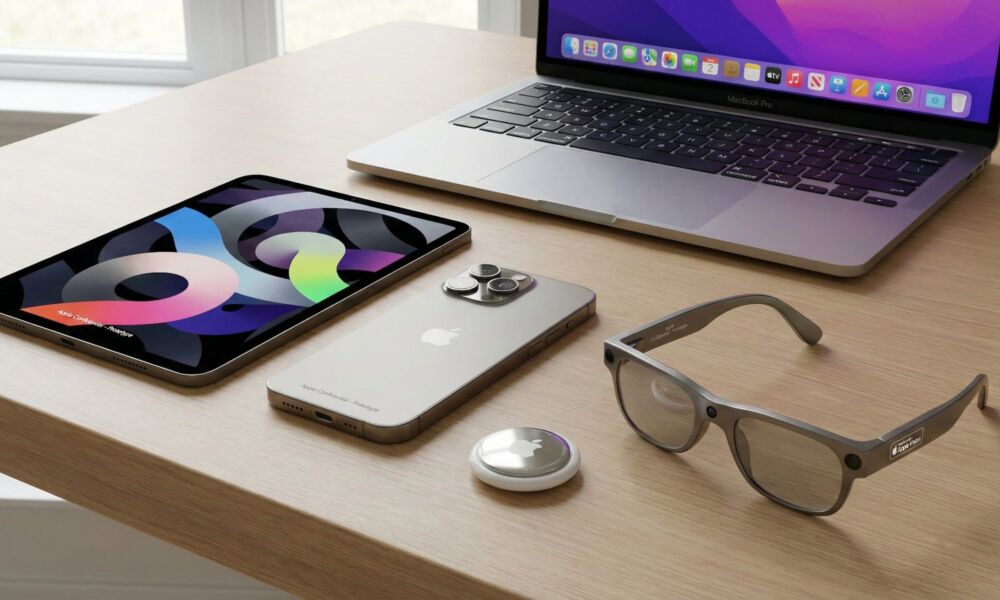
Apple Smart Glasses: Finally, AR That Doesn’t Look Dumb
Okay, let’s talk about the most exciting—and risky—rumor: Apple Smart Glasses. We’ve had smart glasses before (looking at you, Google Glass), and they flopped. But Apple’s approach sounds different. This isn’t VR. It’s AR that blends into your day.
Why This Time Could Be Different
Leaks suggest these glasses won’t look like tech at all. Think: stylish frames you’d actually wear to coffee. No bulky batteries, no obvious screens. Just subtle AR overlays. They’ll connect instantly to your iPhone 2026, using that monster chip for processing. No cloud dependency—your privacy stays intact. And control? Voice, yes. But also gestures (like a tiny swipe in the air) and even eye tracking. Blink twice to answer a call? Maybe.
Features That Could Make You Ditch Your Phone
- Navigation That Actually Works: Walking downtown? Directions appear right on your lens, updating as you turn. No more fumbling with your phone while dodging tourists. I remember trying early AR navigation—it was glitchy. But with 5G and Apple’s chips? This could be smooth.
- Notifications Without the Distraction: Get a text? It appears discreetly in your peripheral vision. Reply with voice or preset messages. No pulling out your phone at dinner.
- Live Translations, Anywhere: Point at a menu in Tokyo, and the text overlays in English. Real-time. This isn’t new tech, but making it effortless on glasses? That’s huge for travelers.
- AI in Your Field of Vision: Need quick info? Ask about that building you’re passing. AI pulls up history, reviews, even if your friend recommended it. It’s like having a personal assistant hovering just out of sight.
Will they catch on? I’m skeptical—but hopeful. If Apple nails the design and battery life (a big if), these could become as common as AirPods. Honestly, most people won’t need full Vision Pro VR for daily life. Smart glasses? That’s the sweet spot.
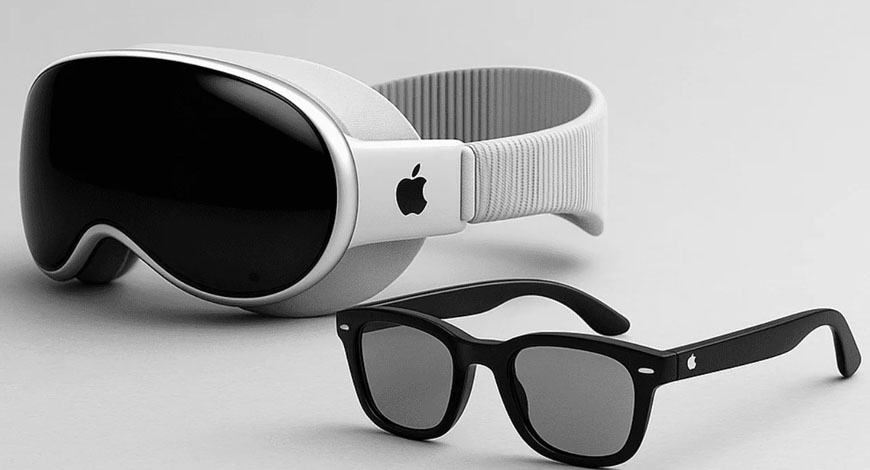
Macs & iPads: When Your Laptop Becomes a Brain, Not a Box
Apple’s MacBooks and iPads aren’t getting just faster chips. They’re getting AI-first devices. And the line between them? It’s blurring fast.
Macs: Ultra-Thin Powerhouses
Expect the M5 or M6 chips in late 2026 Macs. But it’s not just about speed. These chips will have dedicated “AI cores” that handle complex tasks locally. What does that mean? Video editing in Final Cut Pro rendering in real-time because the AI predicts your edits. Battery life stretching to 12+ hours on a thin-and-light MacBook? Absolutely. And for creatives, AI tools that clean up audio, upscale images, or even generate basic code could save hours. I’ve used every M-series Mac since the first one, and the jump to AI-optimized performance feels inevitable. These won’t just be faster—they’ll feel smarter.
iPads: Almost a Laptop (But Better for Some Things)
The iPad Pro 2026 might run something shockingly close to macOS. Not identical, but with advanced multitasking, full external display support (think dual 4K monitors), and desktop-class apps. Why would I use a Mac then? For heavy video editing, sure. But for writing, light coding, or even basic photo work? An iPad with a super-responsive stylus and AI that organizes your notes could be lighter, faster, and honestly, more fun. Apple’s pushing the iPad as the “future of computing” for many tasks. And with AI handling things like auto-formatting documents or summarizing research? Students and creatives might ditch laptops faster than we think. But will professionals fully switch? That’s the big question.
We’ve already covered major Apple leaks in detail — check out our full Apple leaks post to see what Apple is secretly planning for the coming year
visionOS & Spatial Computing: Beyond the Vision Pro Hype
The Vision Pro launched in 2024 with wow factor—but at $3,500, it’s a niche device. By 2026, Apple’s making spatial computing accessible.
What’s Coming?
- Cheaper Mixed-Reality Headsets: Think $800-$1,200 devices focused on productivity and media. Need a virtual 3D workspace? Or watch a movie in a private theater? This could hit mainstream.
- Stronger App Ecosystem: Developers are finally getting comfortable with visionOS. Expect killer apps for architecture, training simulations, and immersive gaming that actually feel fun, not just gimmicky.
- Work, Play, Anywhere: Imagine attending a virtual meeting where your avatar uses your real hand gestures. Or designing a house and walking through it before it’s built. This isn’t sci-fi anymore—it’s coming fast.
Apple’s long-term bet? That spatial computing becomes as normal as smartphones. It’s a moonshot, but if anyone can do it…
Apple Watch: Your Health Guardian, Not Just a Timepiece
Health isn’t a feature for Apple—it’s the foundation. The Apple Watch 2026 could be the most advanced health sensor on your wrist.
Big Health Leaps (Finally!)
- Non-Invasive Glucose Monitoring: This is the holy grail for diabetics. Reliable rumors suggest Apple’s testing micro-sensors that read glucose through the skin without needles. If it works? Life-changing for millions. It’s been “coming soon” for years, but 2026 feels plausible.
- Stress & Sleep, Supercharged: Current sleep tracking is okay. Next-gen? AI analyzing your heart rate variability, movement, and even sounds (like snoring) to give actionable advice: “Your stress is high—try a 10-minute meditation now.” Deep integration with the Health app means your doctor sees trends, not just data points.
- AI Health Insights: Gone are vague “you’ve been active” alerts. The watch might say: “Your resting heart rate is elevated—consider checking in with Dr. Smith based on your last visit.” It’s proactive, not reactive.
As someone who wears their watch daily, these upgrades feel like the real deal. We’re moving from “fitness tracker” to “personal health companion.”
The Big Picture: Apple’s Ecosystem Lock-In Gets Tighter (And That’s Smart)
All these pieces? They’re meaningless alone. Apple’s real 2026 weapon is how everything connects.
Why the Ecosystem Matters More Than Specs
- Seamless Switching: Start a note on your Apple Watch, edit it on your iPhone during commute, finalize on your Mac at home. No friction. With Apple Intelligence, the AI anticipates where you’ll need it next.
- Unified AI Experience: Your Siri learns your habits across devices. It knows you like classical music in the morning because your HomePod plays it, and it suggests it on your iPhone when you plug in headphones.
- Cross-Device Automation: Set a routine: “When I open my Smart Glasses at the gym, turn on the Apple Watch workout tracker and open the fitness app on my iPad.” It just works.
- The Lock-In Effect: The more Apple devices you own, the more powerful it gets. Want the full AI photo magic? It’s best on iPhone + iPad + Mac. Smart Glasses work best with your Watch. It’s not evil—it’s smart design. But let’s be real: once you’re in, leaving gets hard.
Personally, I think this ecosystem focus is why Apple wins long-term. It’s not about one perfect device. It’s about devices that get better together.
Why 2026 Could Be Apple’s Most Important Year Since 2007
Let’s zoom out. Apple isn’t chasing trends like foldable phones or ultra-cheap devices. They’re building platforms for the next decade.
The Core Takeaways
- AI is the Invisible Hero: It won’t be a banner feature. It’ll be the reason your phone feels like it understands you. Quietly powerful.
- Hardware Fades Away: Thinner iPhones, stylish smart glasses, lightweight Macs—the goal is for tech to feel like an extension of you, not a brick in your pocket.
- AR Becomes Normal: Smart glasses could finally deliver useful AR without the awkwardness. And spatial computing gets practical.
- Privacy: The Ultimate Differentiator: While others collect your data, Apple’s AI works right on your device. In a world of breaches, that’s a huge selling point.
Could it all flop? Sure. Tech is full of failed “revolutionary” products. But the sheer scale of what Apple is reportedly testing—across chips, AI, wearables, and software—suggests this isn’t just hype. If even half materializes, 2026 won’t just be a good year for Apple. It could redefine how we interact with technology for the next generation.
Final Thoughts: Is Your Next Phone Already Obsolete?
Here’s the honest truth: we’re in the middle of a massive shift. The iPhone 2026, the smart glasses, the AI-powered ecosystem—it all points to a future where technology serves you quietly, intelligently, and privately. You won’t need to learn new habits. The tech will adapt to you.
Will every leak be accurate? Probably not. Will the iPhone 18 Pro Max expected price in Pakistan be affordable? Likely high, but Apple’s pricing in emerging markets is getting smarter with local assembly rumors. And yes, we’ll hear tons of “iPhone 18 Pro Max camera leaks” over the next year—take them with a grain of salt, but the direction feels real.
As someone who’s watched Apple evolve for 15 years, I’m genuinely excited. Not because of specs, but because of the potential. We might look back at 2026 as the year tech stopped being in our lives and started being part of our lives. No distractions, just seamless help.
While we wait, keep an eye on those supply chain whispers. Because if Apple pulls this off? Everything changes. And honestly? It’s about time.
Pingback: iPhone Fold 2026: Leaks, Design, Specs & Expected Launch - alfawaz.tech